01
Species-specific care
Understanding the normal biology and behaviour of each species.
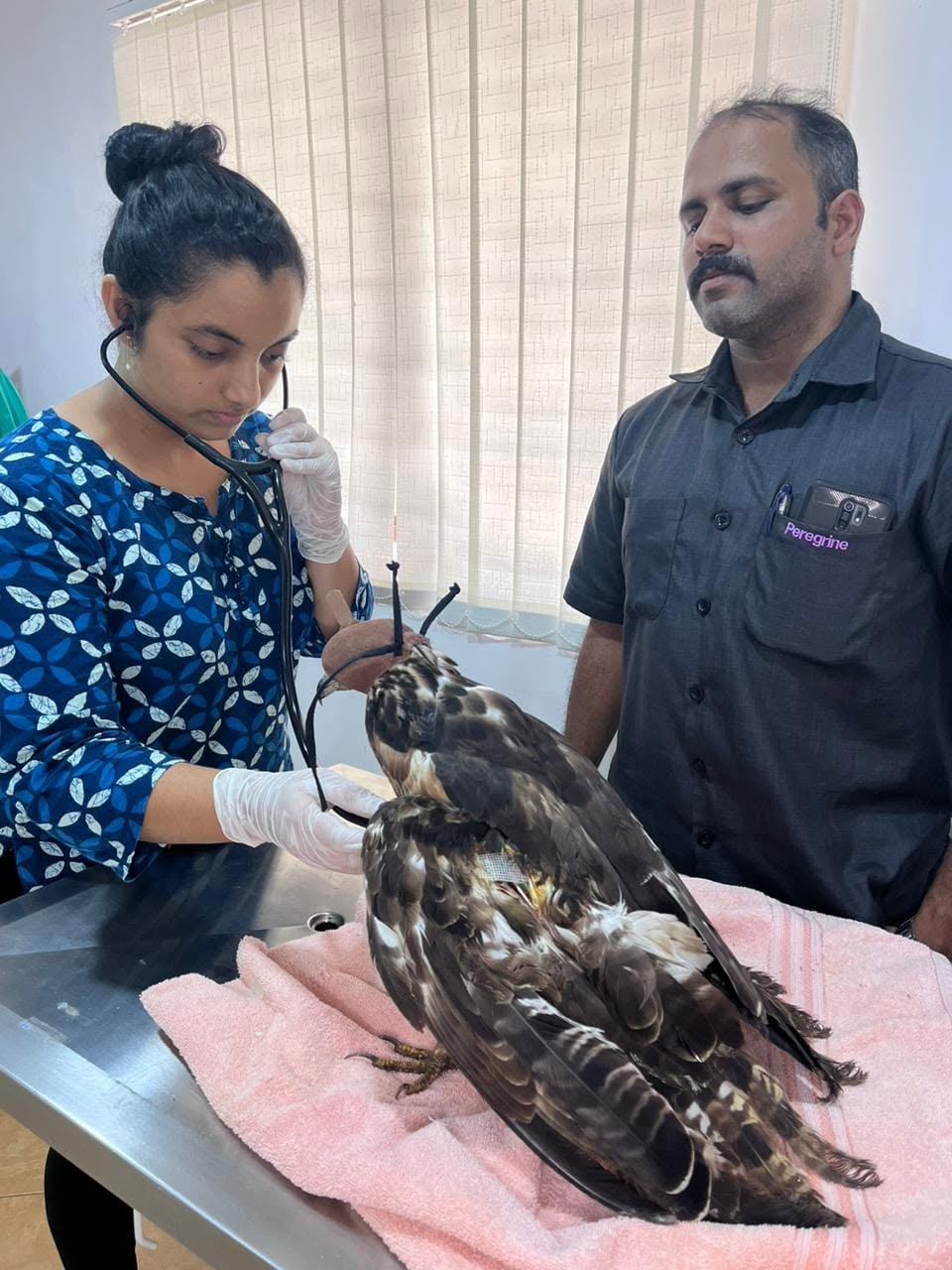
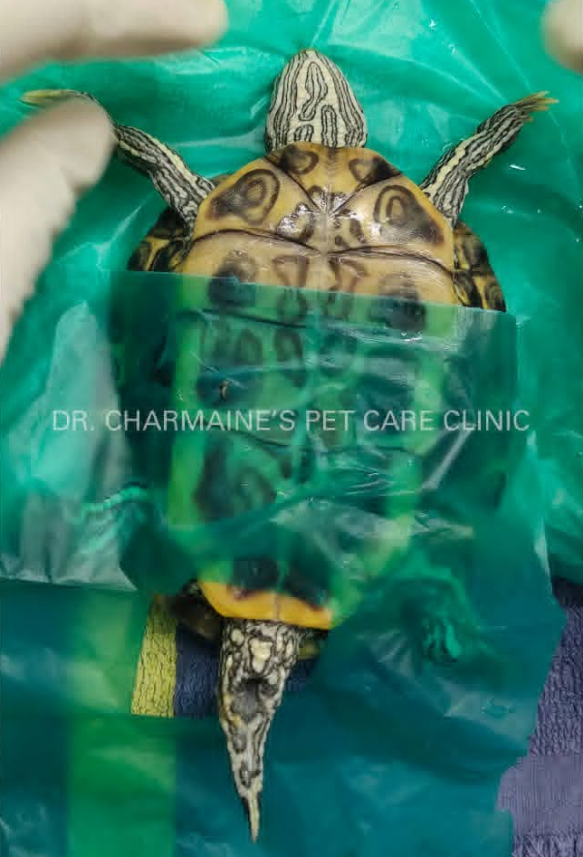
Avian & Exotic Pets
Birds and exotic pets often hide signs of illness until they are significantly unwell.
Why early attention matters
Small changes in behaviour, appetite, droppings, breathing or activity can sometimes be important.
Our approach to avian and exotic patients focuses on understanding what is normal for each species, so we can recognise when something is wrong and respond with appropriate care.
Our approach
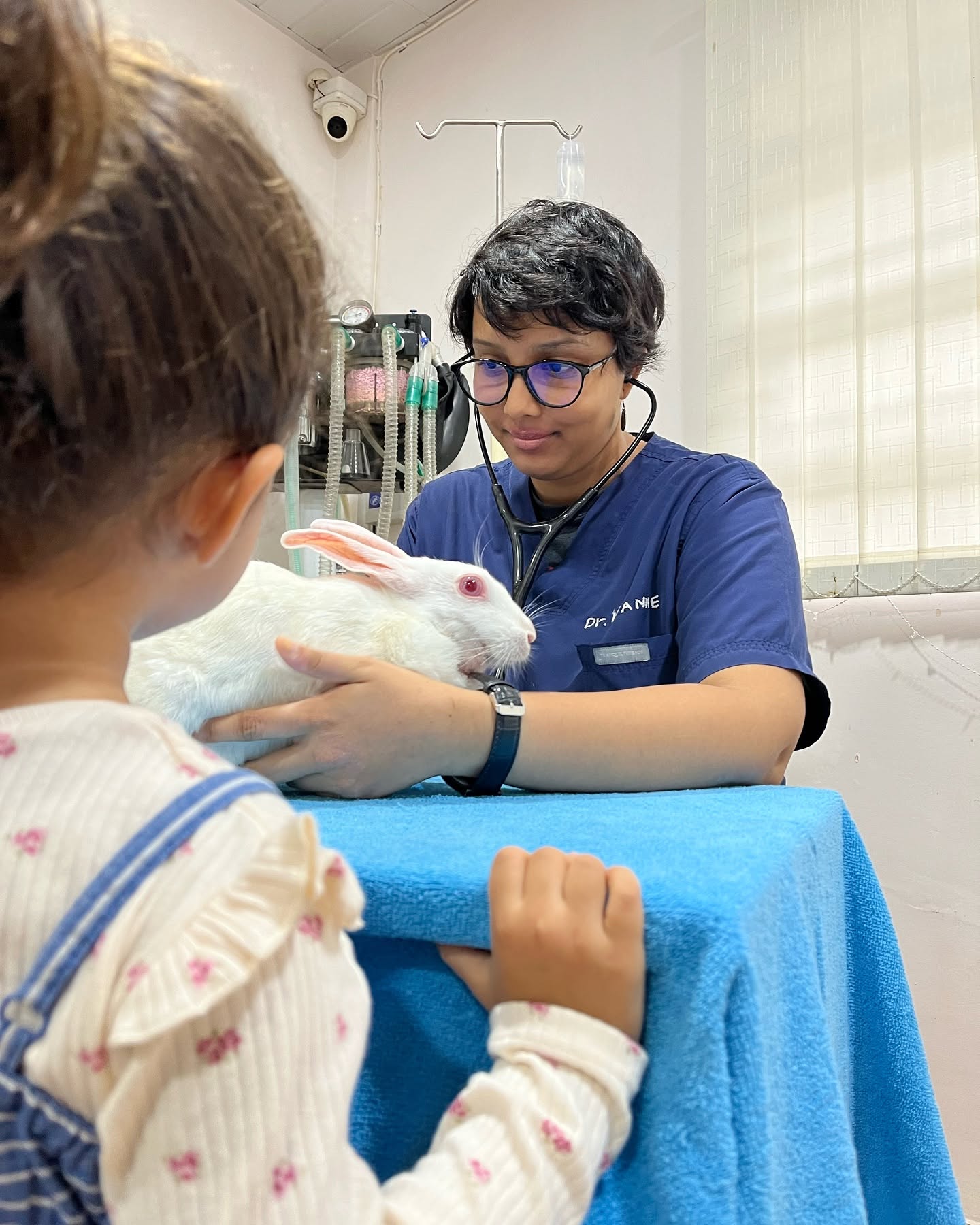
A calm, informed approach to exotic companion animals.
Understanding the normal biology and behaviour of each species.
Reducing stress during examination and treatment.
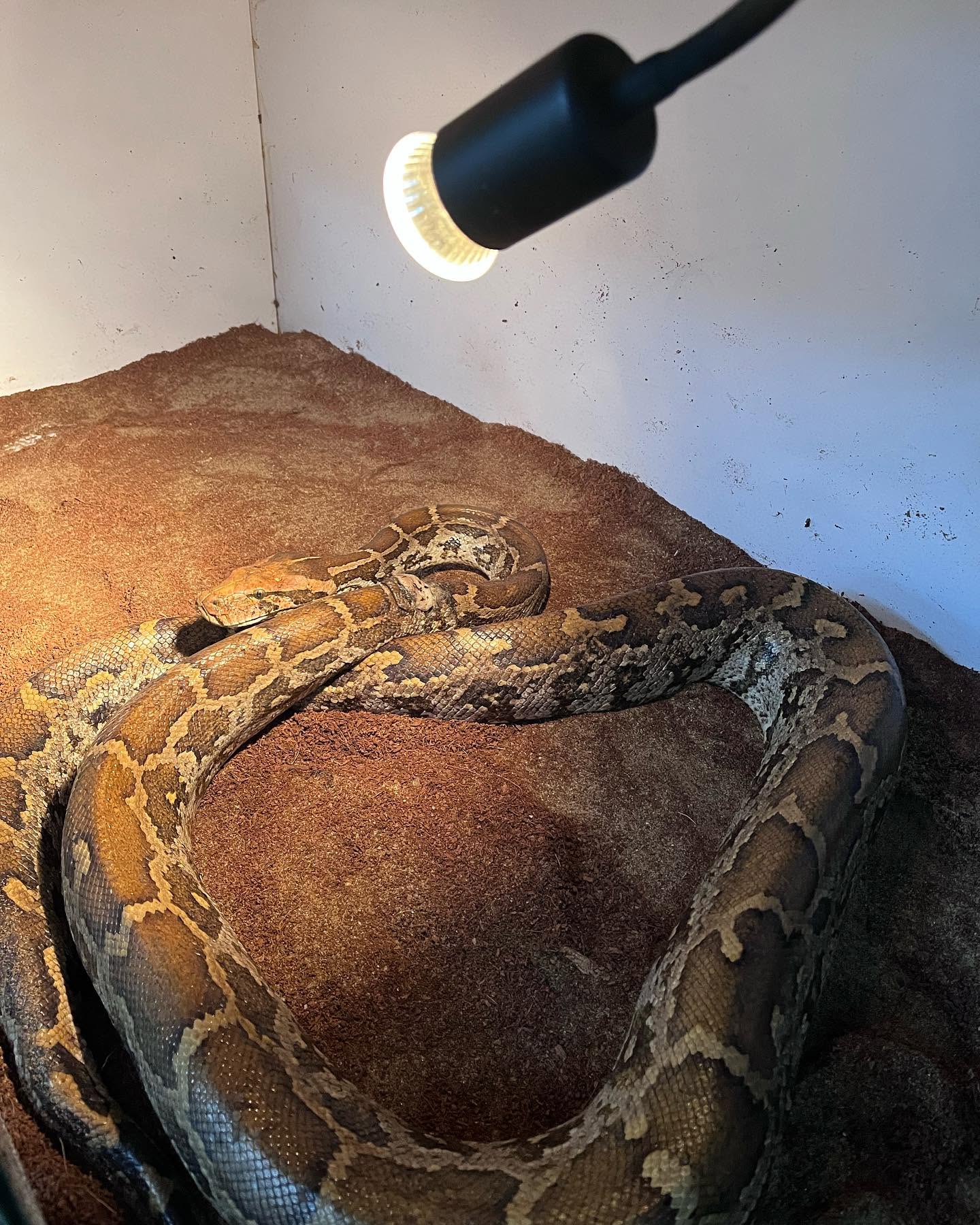
Nutrition, husbandry, wellness checks and early detection.
Appropriate investigation and treatment when your pet becomes unwell.
When should you bring your bird or exotic pet?
Seek veterinary advice if you notice any of the following.
When in doubt, it is safer to have your pet assessed.
Book a consultation